
Project Launched to Promote Energy Efficiency in Vietnam’s Supporting and Food Processing Industries
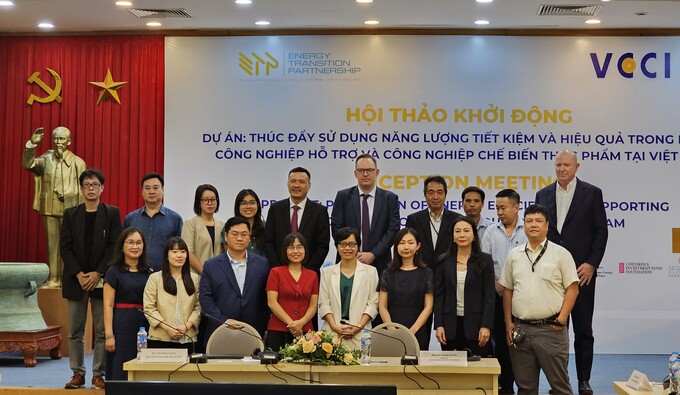
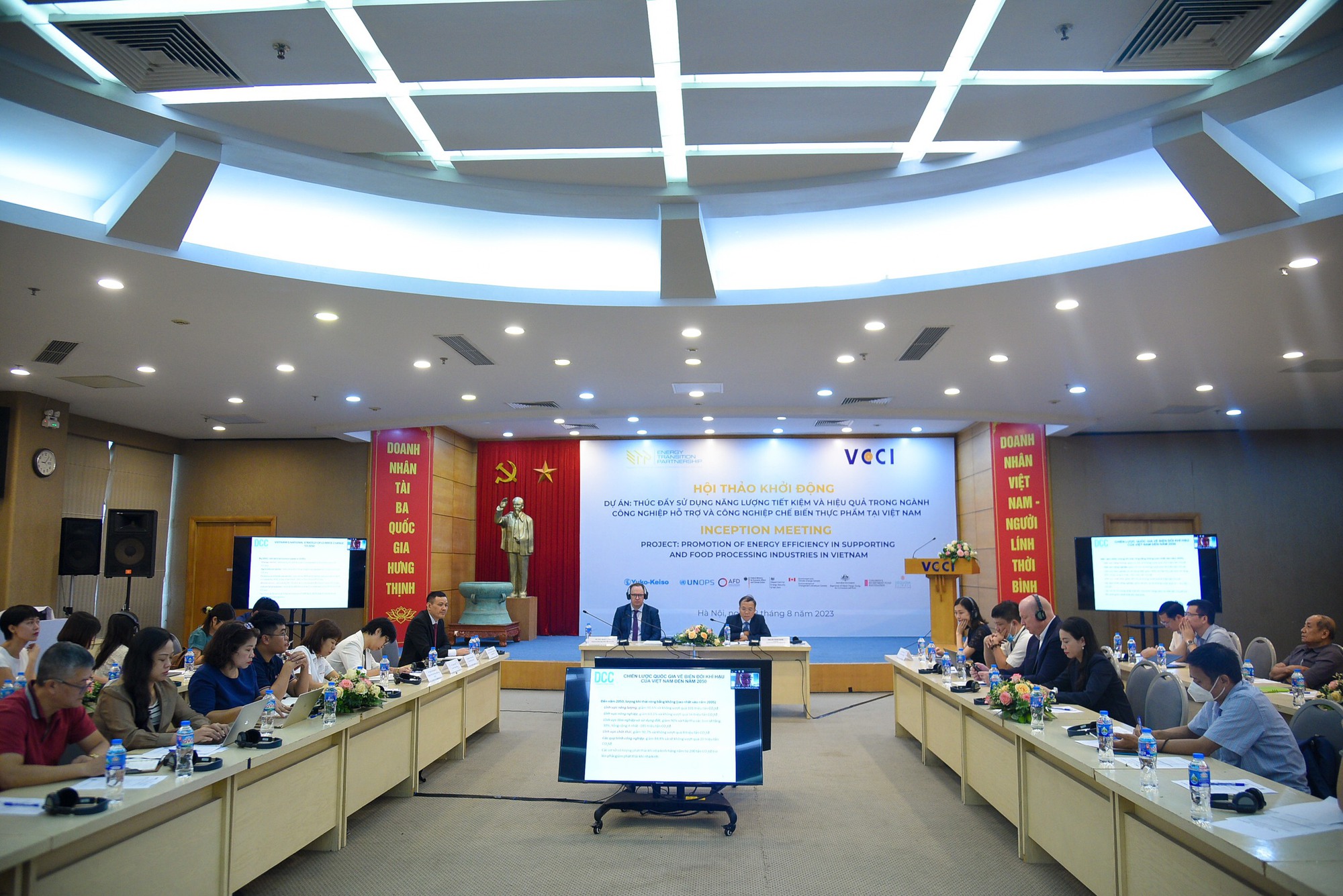
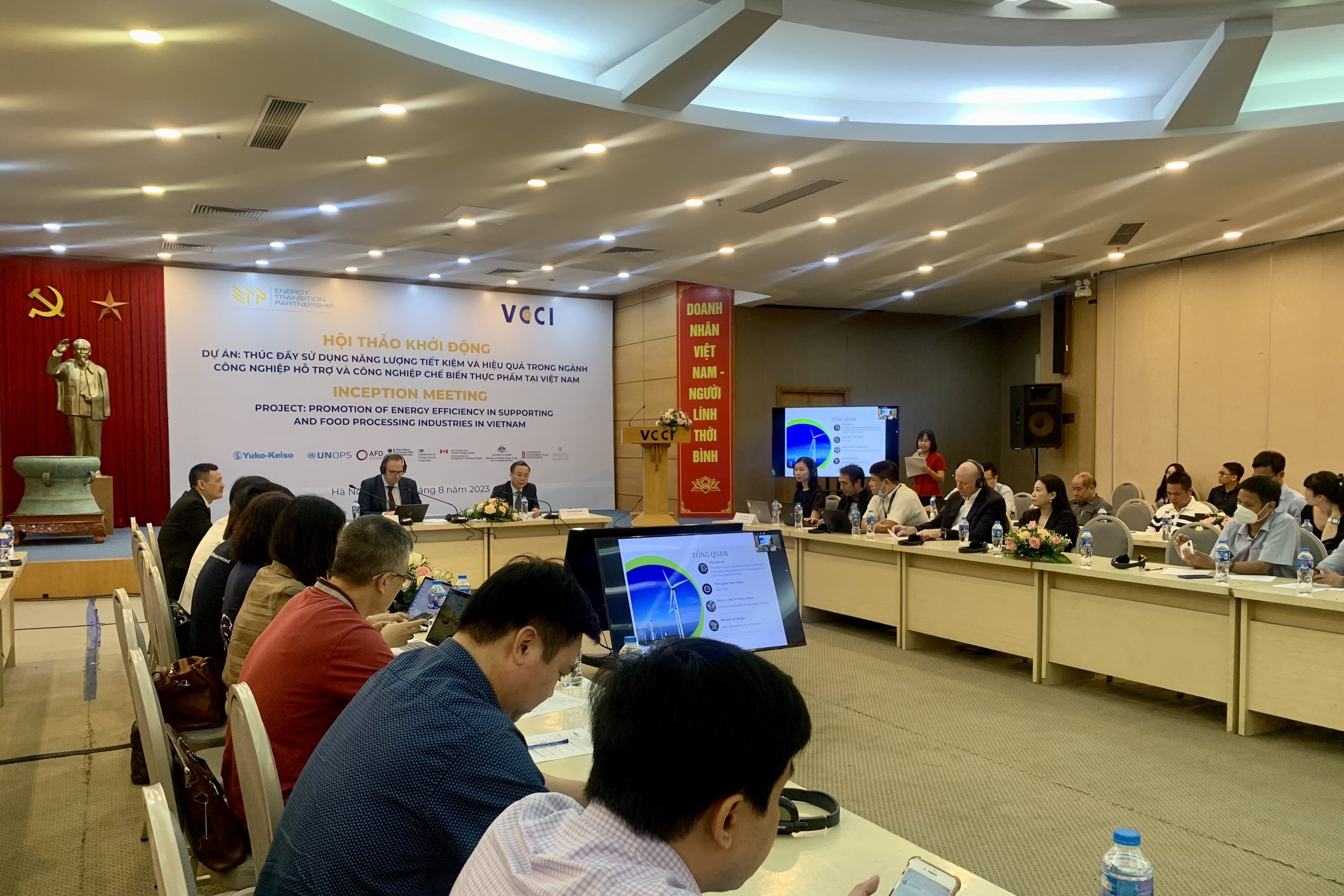
On August 18 in Hanoi, the Vietnam Chamber of Commerce and Industry (VCCI), in collaboration with the Southeast Asia Energy Transition Partnership (ETP) and various partners, held a launch workshop for the project "Promoting Energy Efficiency in the Supporting Industries and Food Processing Industry in Vietnam." The project is funded by ETP and the United Nations Office for Project Services (UNOPS), and implemented by VCCI and stakeholders.
In his opening remarks, Mr. Bui Trung Nghia, Vice President of VCCI, emphasized the strategic importance of energy in sustainable development. He referred to Decision No. 888/QĐ-TTg, issued in July 2022, which outlines Vietnam's roadmap to fulfill its COP26 commitments, including achieving net-zero emissions by 2050. The roadmap calls for transforming the economic growth model, restructuring the economy, and mobilizing financial and technological resources.
VCCI has been tasked with strengthening international cooperation to attract financing and technology while encouraging domestic enterprises and associations to engage in climate actions. Raising awareness among workers and supporting businesses to adopt modern, energy-efficient technologies could reduce electricity consumption by 20–40%, depending on scale and technology.
ETP, the project’s main funder, was established in November 2020 under UNOPS management. As a multi-donor partnership, it brings together global donors and government partners to support energy transition in Southeast Asia, in line with the Paris Agreement. Contributors include the governments of France, Germany, the UK, and Canada.
According to Mr. John Robert Cotton, Senior Program Manager at ETP, the program is currently focused on Indonesia, the Philippines, and Vietnam—countries with high energy demand and significant potential for renewable and energy efficiency projects.
Vietnam’s supporting and food processing industries are undergoing rapid industrialization and hold great energy-saving potential. However, many businesses lack access to information, financing, and technical capacity. The Energy Service Company (ESCO) model remains relatively unknown among local manufacturers.
The project aims to raise awareness, facilitate access to finance, connect producers with ESCOs and financial institutions, pilot benchmarking tools, and develop a roadmap for establishing an ESCO Association in Vietnam.
Planned for 2023–2025, the project aims to:
Raise awareness among 100 manufacturers;
Support 10 factories to develop viable energy efficiency projects;
Assist 3 factories in applying advanced energy-efficient technologies;
Establish a network of producers, ESCOs, financial institutions, and stakeholders;
Develop a roadmap for founding an ESCO Association;
Pilot a benchmarking tool for energy performance in the two target sectors.
The project is expected to foster more efficient resource use, responsible supply chain practices, better environmental and social outcomes, and reduced carbon emissions across two energy-intensive sectors in Vietnam.